

Designing a yard can feel exciting, but it’s also overwhelming. Many homeowners set out with a vision, only to fall into some of the most common design traps. These mistakes don’t just affect the look of the space; they impact how it feels and functions for years to come.

Here are three of the most frequent missteps we see and how to avoid them.

Putting Firepits in the Corner

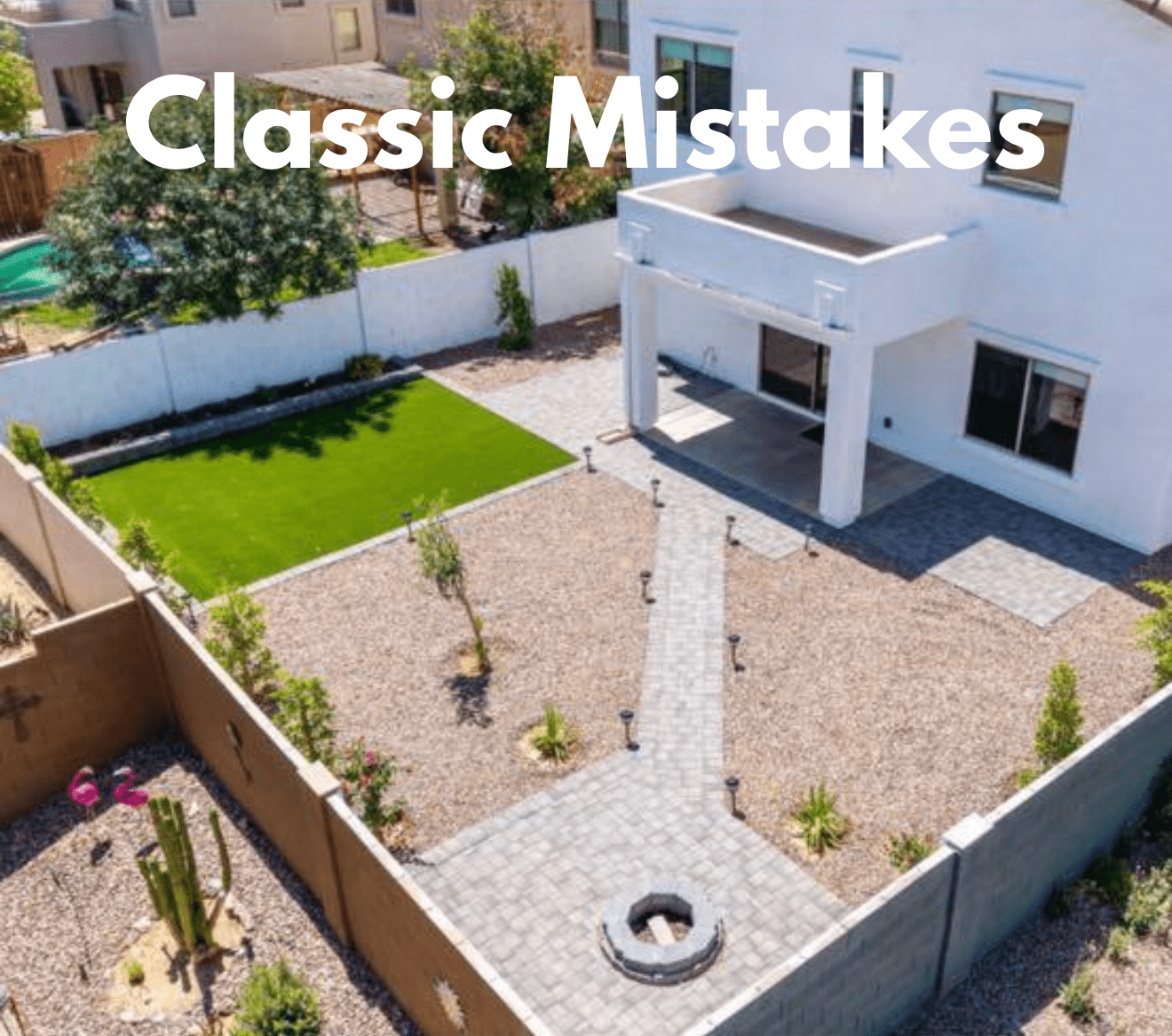
Corners might seem like a natural spot for a firepit, after all, it’s what most people have seen done before. But in practice, a firepit tucked away in the far corner of the yard doesn’t work.

Here’s why:

  • Unnatural flow: Walking down a sidewalk or pathway just to reach a firepit feels forced.
  • Awkward gathering: People don’t naturally congregate in corners. It makes the space feel disconnected from the heart of the yard.


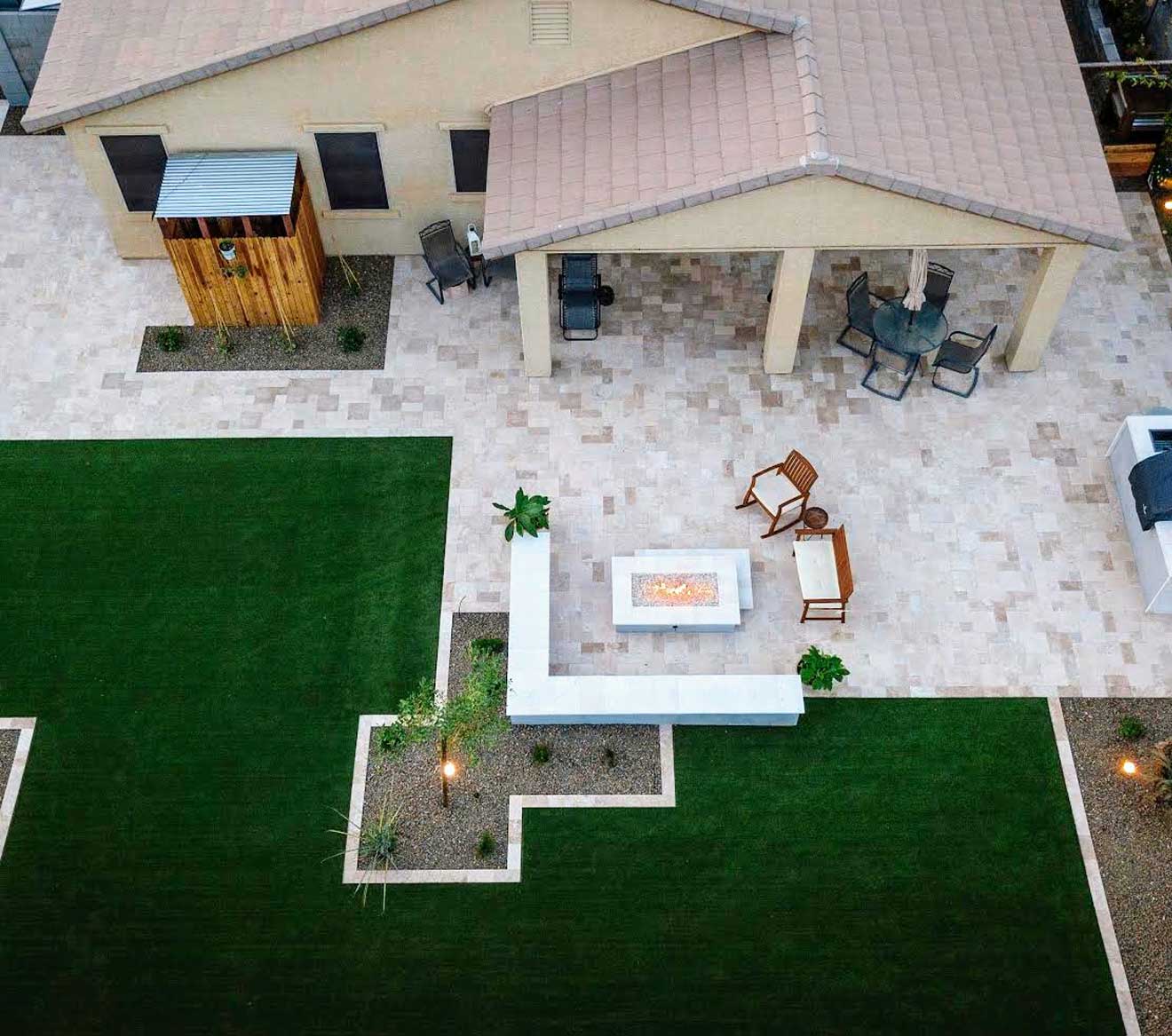
Instead, firepits should be located in the gravitational center of the space, the areas where people already gather and flow. Placing them closer to patios or entertainment zones encourages organic use, making the firepit a true hub for connection.

Building a Retention Wall Across the Back of the Yard

A full-width retention wall across the back of a small yard is another common mistake. While it might feel like a practical solution, it often has the opposite effect.

  • Visually shrinking the yard: Instead of creating depth, the wall reinforces an already harsh boundary, making the space feel even smaller.
  • Budget drain: Retention walls consume a large portion of the budget, yet they don’t provide functional use or enhance livability.


A better approach is to let your design mediums extend to the edges of the yard. Whether it’s turf, hardscape, or planting beds, carrying these elements outward creates a sense of expansiveness, tricking the eye into seeing more space instead of less.

Installing a Big Square of Grass with Little or No Patio Space

It’s common for homeowners to assume that kids need a large, square patch of grass. While turf can certainly have a place, kids often end up using patio space even more than grass.

Think about it:

  • Sidewalk chalk, scooters, and ride-on toys all thrive on hard surfaces.
  • Kids love open patios for ball games, crafts, and playtime.
  • Adults benefit too; larger patios provide space for gatherings, outdoor dining, and entertainment.


The mistake isn’t adding grass, it’s forgetting to balance it with a generous patio. The result is a yard that works for every age and activity, instead of a single-purpose space.

The Takeaway

Designing your own yard can be rewarding, but avoiding these pitfalls is essential:

  • Don’t isolate gathering spaces in awkward corners.
  • Avoid design choices that shrink your space visually and practically.
  • And don’t underestimate how much patio space your family will actually use.


When you design with flow, balance, and usability in mind, your yard will not only look better, it will become a space that supports your lifestyle for years to come.