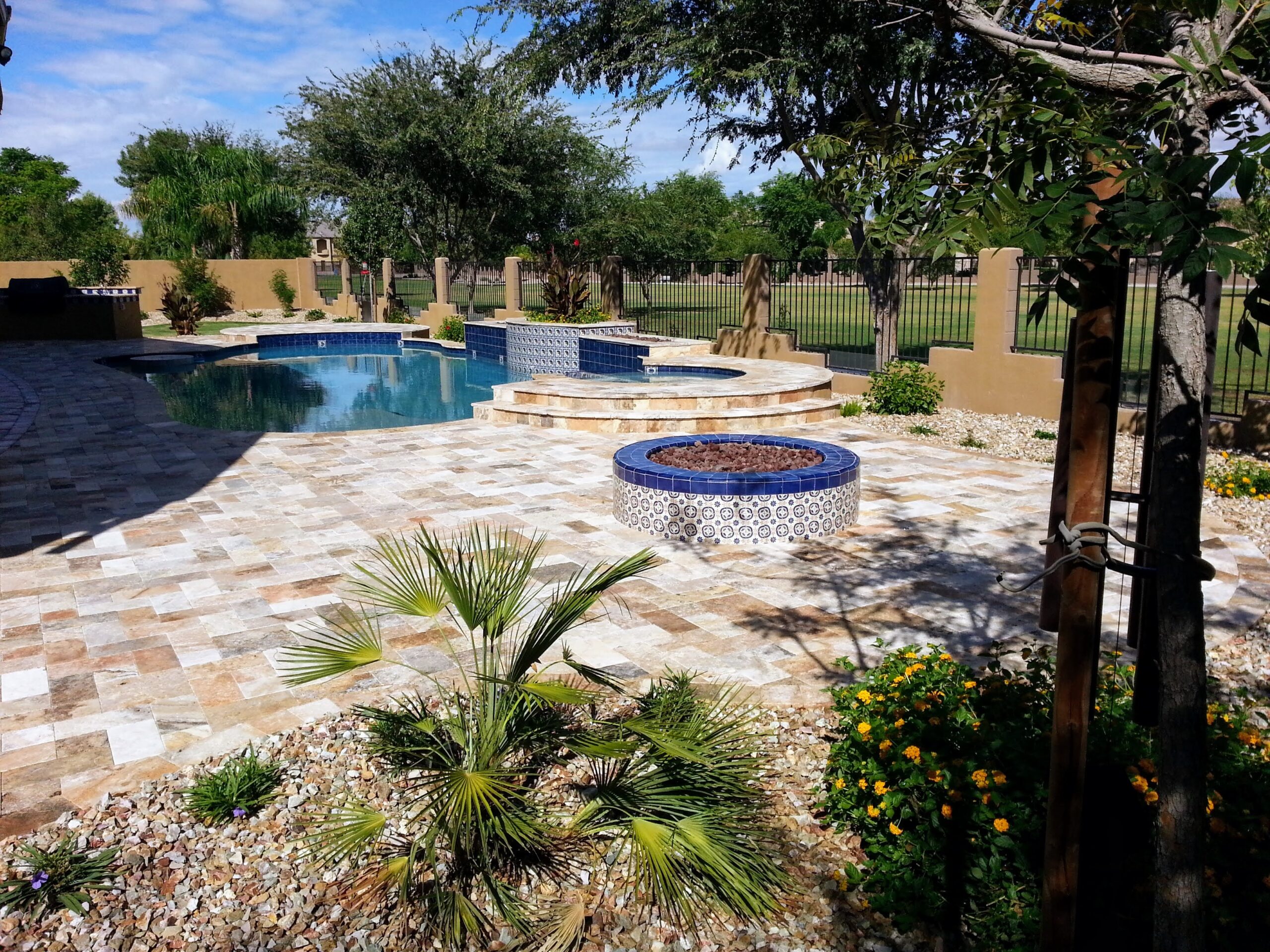
When homeowners start comparing landscape companies, one of the first things they look at is price per square foot. On the surface, that makes sense, it feels measurable and objective. But in reality, cheaper doesn’t always mean better value. In fact, focusing only on cost often leads to the most expensive mistake of all: spending money on a yard that doesn’t actually improve your life.
At Copper Ridge Landscaping & Design, we believe the real question isn’t “Who is cheaper?” it’s “Who delivers more value?”
Cost vs. Value: A Real Example
One of our customers recently shared their experience shopping around for landscape companies. They found a contractor who quoted a lower price per square foot, but the design was generic and poorly thought out. The space wasn’t functional, didn’t connect to their lifestyle, and didn’t add usable outdoor living area.
They came to us next.
The difference?
A $13,000 yard that wasn’t useful versus a $15,000 yard that was fully integrated into how they lived; entertaining, relaxing, and spending time with family. That extra $2,000 didn’t just buy materials; it bought livable square footage, usability, and long-term enjoyment.
If a landscape doesn’t add value to your daily life or your home, it isn’t cheaper, it’s wasted money.
Why Cost Per Square Foot Is the Wrong Metric
Two projects can cost the same per square foot and deliver completely different results.
For example, 600 square feet of pavers used in a long walkway might cost the same as 600 square feet of patio, but those two uses don’t provide the same value. A patio adds gathering space, furniture placement, and outdoor living. A walkway simply connects areas.
Design determines how effectively materials are used. Without design, cost per square foot is meaningless.
Material Efficiency Matters
Good design doesn’t just look better, it saves money.
Artificial turf is a perfect example. Turf comes in specific roll dimensions. On one project, by slightly adjusting the layout of the turf area to match those natural roll sizes, we eliminated unnecessary seams and waste, saving the homeowner over $3,000 without sacrificing aesthetics or function.
That’s not about cutting corners. That’s about understanding materials and designing intelligently.
Understanding Opportunity Cost
Opportunity cost is one of the most overlooked aspects of landscape planning.
We see this often with pools. A customer might spend $100,000 on a basic pool and minimal landscaping. For that same budget—without a pool—they could create an exceptional outdoor retreat: a large patio, fire features, outdoor kitchen, shade structures, and lighting that dramatically elevate daily life.
Pools aren’t bad, but they come with tradeoffs. Maintenance, limited usability, and budget constraints elsewhere in the yard all matter. A good designer helps you understand what you’re giving up when you choose one feature over another.
The same applies to smaller decisions:
- A $5,000 water feature vs. $5,000 of patio
- A decorative element vs. functional space
If a feature looks nice but doesn’t get used, is it really adding value?
Usability Over “Cheap” Upgrades
Some upgrades seem cheaper at first but reduce usability.
Wood-burning fire pits are a great example. In Arizona, many holidays like Thanksgiving, Christmas and New Years Eve, are no-burn days. Add smoke, wind, and cleanup, and suddenly the fire pit rarely gets used.
Spending an extra $1,200 to upgrade to a propane fire pit may not sound cheaper, but it dramatically increases how often the space is used. More usability = more value.
Water features fall into the same category. They can be beautiful, but they require maintenance. If you don’t spend much time outside, would that money be better invested in a patio, seating area, or shade? Design should support how you live, not just how something looks.
Quality of Materials: Cheap Now, Expensive Later
Not all materials are created equal.
Artificial Turf
We use 104-ounce turf, compared to cheaper 72-ounce options. Lower-quality imported turf, often from China, breaks down quickly, mats, and fades. We’ve replaced countless yards where homeowners thought they saved money, only to redo the entire project three years later.
Is it really cheaper if you replace it three times over 15 years?
Pavers
Higher-quality pavers offer better fade resistance and tighter manufacturing tolerances. When pavers vary in height, patios feel uneven and unpolished. Precision matters, especially for long-term durability.
Natural Stone
With materials like travertine or limestone, grade matters. A-grade stone is properly sized, consistent, and durable. B-grade material often has sizing issues from worn blades during manufacturing, leading to uneven joints, installation challenges, and faster degradation.
Cheaper materials don’t save money; they shift the cost into the future.
Why Design Is the Difference
The greatest value doesn’t come from spending more, it comes from spending smarter.
A good designer helps you:
- Understand opportunity cost
- Prioritize usability
- Select materials that last
- Allocate budget where it matters most
At Copper Ridge Landscaping & Design, we don’t believe in selling features. We believe in creating spaces that work for your life; today and for years to come.
Because when you measure value instead of price, the right choice becomes clear.